
In the world of sports, shoes are often overlooked as mere accessories. However, for athletes, they can be the difference between victory and defeat. For Nike, a shoe played a pivotal role in not only changing the course of its history but also redefining the brand’s identity.
It was 1973 when Steve Prefontaine, a renowned American middle- and long-distance runner, became the first professional athlete to wear Nike shoes. At the time, the company was still relatively unknown, struggling to make a name for itself in the competitive athletic shoe market. However, Prefontaine’s decision to wear their shoes marked the beginning of a new era for Nike.
Prefontaine’s influence extended beyond his impressive running skills. He was known for his charismatic personality and bold style, which resonated with many young athletes. His endorsement of Nike shoes helped to humanize the brand, making it more relatable and appealing to a wider audience. In an era where athletic wear was often seen as functional rather than fashionable, Prefontaine’s flair helped to reposition Nike as a brand that could cater to both performance and style.
The impact of Prefontaine’s partnership with Nike was significant. His iconic shoes, such as the Cortez and the Blazer, became synonymous with speed and agility. The brand’s innovative approach to design, which emphasized comfort, flexibility, and durability, resonated with athletes seeking high-quality footwear that could keep up with their demanding training regimens.
Prefontaine’s influence extended beyond his running accomplishments. He was a passionate advocate for self-expression and individuality, values that aligned perfectly with Nike’s early ethos. As the brand began to expand its product line, Prefontaine’s input helped shape the company’s vision for athletic wear as a means of self-expression rather than simply functional attire.
Tragically, Prefontaine’s life was cut short in 1975 when he died in a car accident at just 24 years old. However, his legacy lived on through Nike, which continued to evolve and grow under the leadership of co-founder Bill Bowerman. The company’s innovative approach to design, fueled by Prefontaine’s influence, helped establish Nike as a major player in the athletic wear market.
One notable example of Nike’s success during this period is its introduction of the Air Jordan line, which debuted in 1985. Designed specifically for basketball legend Michael Jordan, the shoes’ popularity was unprecedented. The bold design and innovative technology made them a sensation, propelling Nike to new heights of success.
Throughout the years, Nike has continued to push boundaries and innovate. From its iconic swoosh logo to its pioneering work in performance-enhancing technologies, the brand has remained committed to empowering athletes to reach their full potential. Today, Nike is one of the most recognized and respected athletic wear brands globally, with a vast range of products that cater to diverse sports, fitness levels, and personal styles.
In conclusion, Steve Prefontaine’s decision to wear Nike shoes in 1973 marked a turning point for the brand. His passion, charisma, and influence helped shape Nike’s identity and values, paving the way for its future success. The story of Nike’s rise to prominence is a testament to the power of innovation, self-expression, and the human spirit.
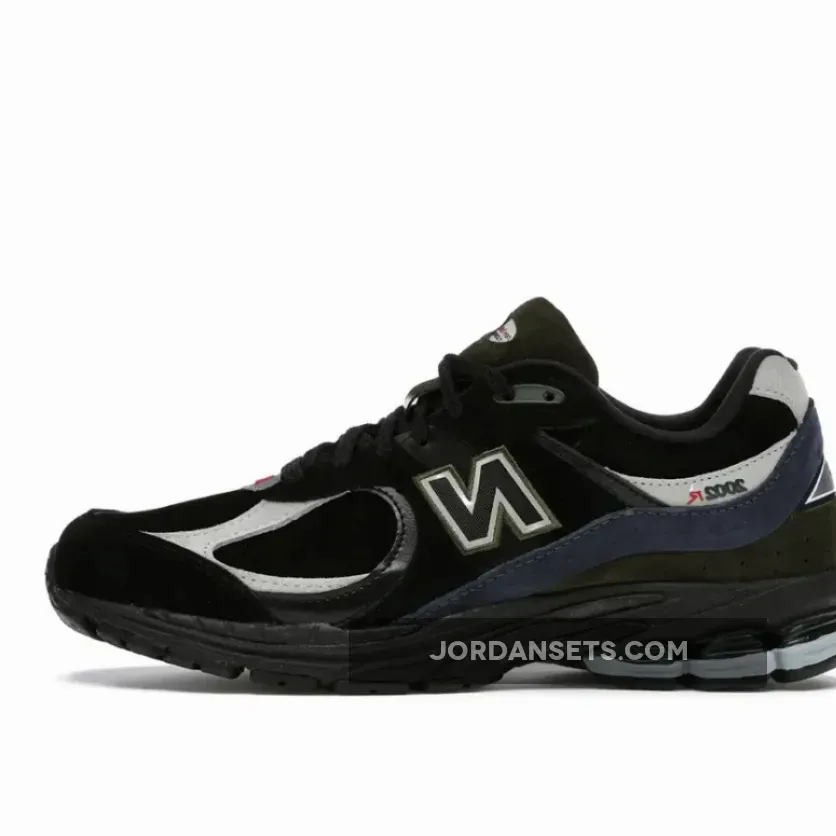 CLICK HERE TO Buy : New Balance 2002R Year of the Ox / new balance on sale